PLANNING
Trekking in Nepal: The Complete Beginner's Guide
July 22, 2026
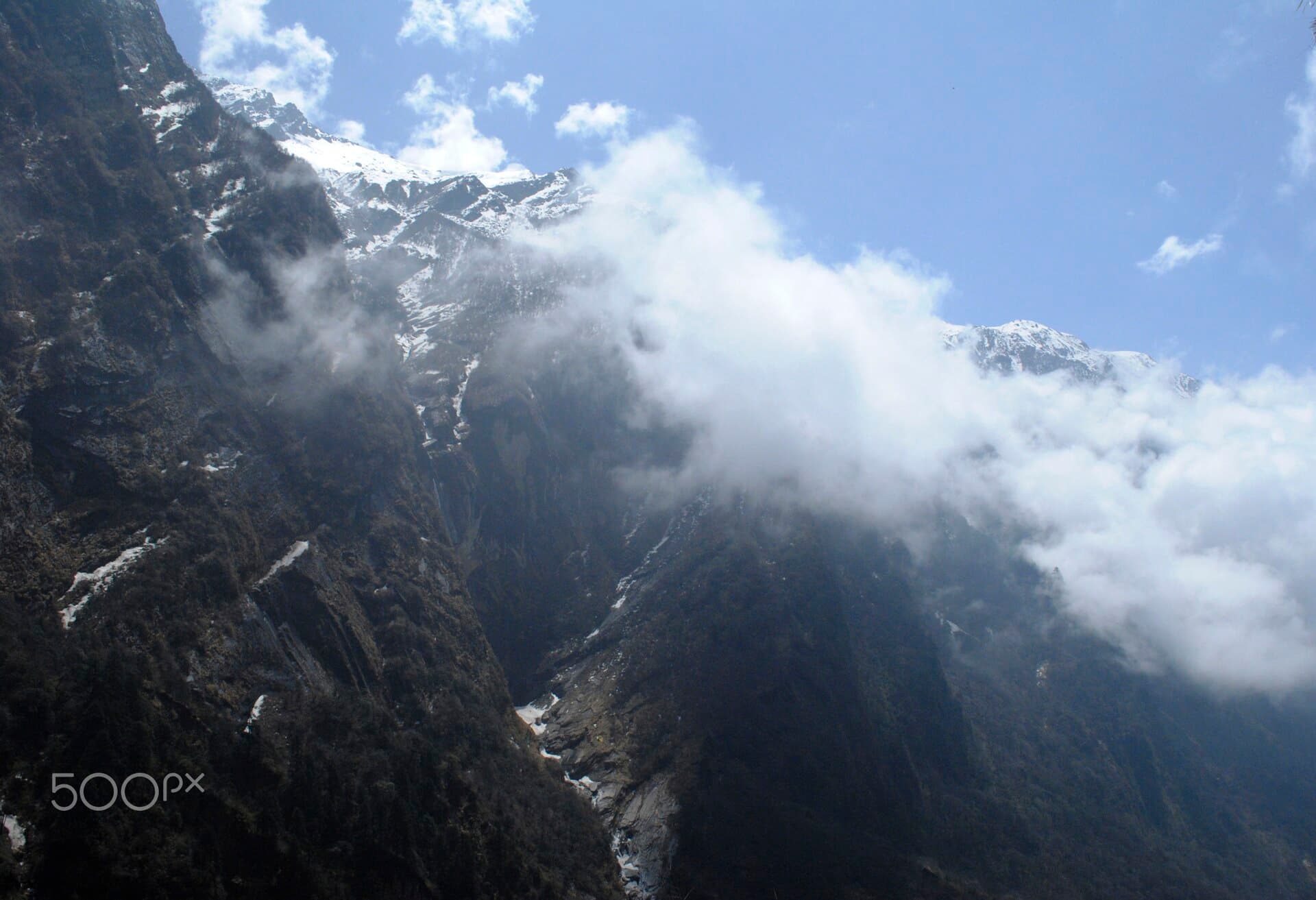
Nepal has been pulling first-time trekkers out of their comfort zone for decades, and for good reason: nowhere else on the planet can you walk for a week or two and end up standing in front of eight-thousand-metre peaks, having slept in villages that still run on yak butter tea and solar power. If you've never trekked at altitude before, the sheer number of routes, regions, and logistics can feel overwhelming from a laptop screen in another country. It doesn't need to be. Most of what makes a Nepal trek intimidating on paper — the altitude, the permits, the unfamiliar food, the question of whether you're 'fit enough' — has a straightforward answer once you break it down region by region and season by season, which is exactly what we'll do here.
Best Season to Trek
Season shapes everything about a Nepal trek, more than fitness or trek choice does. Autumn, from late September through November, is the classic window: the monsoon has just cleared the dust and haze out of the sky, days are mild, and mountain views are about as reliable as they get anywhere in the Himalaya. It's also, unsurprisingly, the busiest season on the popular routes, so lodges book up and trails see more foot traffic. Spring, March through May, runs a close second — rhododendron forests bloom through the mid-hills and temperatures are comfortable, though pre-monsoon haze can soften long-distance mountain views in the afternoons.
Winter, December to February, is Nepal's quiet season, and it deserves more credit than it gets. Humidity drops, skies are often at their clearest of the entire year, and popular trails like Poon Hill or the lower stretches of the Everest region are noticeably calmer. The trade-off is cold — properly cold at altitude, well below freezing overnight above 3,000m — so it suits trekkers who pack well and don't mind an extra layer or two. Summer, June through August, is monsoon season across most of the country: daily rain, leech-prone lower trails, and clouded-in peaks. The exception is the trans-Himalayan region — Upper Mustang and Dolpa sit in the rain shadow of the Annapurna and Dhaulagiri ranges, so they stay dry and are, if anything, at their best during these months.
The Compulsory Guide Rule
Since April 2023, every foreign trekker in Nepal — solo or in a group — has been required to trek with a licensed guide in the country's mountain regions and national parks. This isn't red tape for its own sake; it's a response to a rise in solo trekkers getting lost or into trouble on trails that are far less signposted than they look on a map. We've written a full breakdown of what this means in practice, including the permits you'll need, but the short version for planning purposes is: build the cost of a guide into your budget from the start, and treat 'guide arranged' as a checklist item alongside flights and travel insurance.
Choosing a Region
Picking a region is really picking an experience. The Khumbu, home of Everest Base Camp, is Nepal's most-visited trekking region and for good reason — the trail infrastructure is excellent, lodges range from basic to surprisingly comfortable, and the views of Everest, Lhotse, Ama Dablam and Nuptse are hard to overstate. It's also the busiest region and, per day, one of the more expensive to trek in, since almost everything has to be flown or carried in.
The Annapurna region runs a close second in popularity, and for first-timers deciding between the two, it often comes down to a preference for variety over singular focus. The classic Annapurna Circuit crosses through rice terraces, pine forest, high desert, and finally the 5,416m Thorong La pass, all without retracing your steps — a real advantage over out-and-back routes. Shorter options inside the same region, like the trek to Mardi Himal or the much shorter Poon Hill trek, make this region unusually flexible for trekkers with limited time or altitude experience.
If you've got less than a week and want a taste of the Himalaya without committing to multi-week logistics, the trails around the Kathmandu Valley and Pokhara Valley are worth a serious look. Short treks like Poon Hill top out well under 3,500m, which all but eliminates altitude risk while still delivering genuine mountain panoramas. These are also excellent warm-ups if you're using Kathmandu or Pokhara as a base before a longer trek later in the same trip.
For trekkers who've already done Everest or Annapurna and want something quieter, Dolpa is where Nepal's trekking crowd thins out almost entirely. It sits deep in the rain shadow, which gives it a high-desert, Tibetan-influenced landscape unlike anywhere else in the country, centred on the impossibly clear waters of Phoksundo Lake. Because it's a restricted area requiring a special permit and full camping support rather than teahouses, it's not typically a first trek — but it's worth knowing about early, since it tends to become the trip people plan once they've caught the trekking bug.
Fitness and Training
Fitness matters, but perhaps not as much as first-timers assume. You don't need to be a marathon runner to trek in Nepal; you need to be comfortable walking five to seven hours a day, several days in a row, often on uneven stone steps and steep gradients, while carrying a daypack. Building a training routine in the two to three months before departure — regular hill walks, stairs with a loaded pack, and some cardio base — makes a bigger difference to how much you enjoy the trek than any single piece of gear.
Altitude: The Great Equalizer
Altitude is the one variable that doesn't respond to fitness at all. Acute Mountain Sickness can affect a strong, experienced hiker just as easily as a first-timer, because it's a function of ascent rate, not conditioning. Any trek that takes you above 3,000m should have acclimatization days built into the itinerary, and a good guide will watch for symptoms and adjust the pace rather than sticking rigidly to a plan. We've covered this in more depth separately, but the short version is: go slow, tell your guide the moment you feel off, and never push through worsening symptoms to keep up with a group.
Accommodation and Food
Accommodation on Nepal's trails is more varied than people expect. On busy routes like Everest Base Camp and the Annapurna Circuit, teahouses range from simple twin rooms with a shared squat toilet to genuinely comfortable lodges with hot showers and wifi (for a price, and the price climbs the higher you go). On quieter or restricted routes, especially in Dolpa, camping is still the norm, with a full kitchen and support crew carrying gear. Either way, you won't be roughing it with a tent and a stove yourself unless you specifically choose a camping-based itinerary.
Food follows a similar pattern. Dal bhat — lentil soup, rice, and vegetable curry, usually with a free second helping — is the trekking staple for a reason: it's filling, it's what the crew and guides eat too, and it holds up well at altitude when appetite drops. Menus get shorter and pricier the higher you climb, since everything above the last road-head has to be carried or flown in, but you're unlikely to go hungry on any of the main routes.
What to Pack
Packing for a first Nepal trek comes down to layering rather than volume. A moisture-wicking base layer, a warm mid layer, and a windproof, waterproof outer shell will handle almost every day you'll have on the trail, since you're adjusting for altitude and time of day far more than you are for season. Good, broken-in boots matter more than any other single item — this is not the trek to try new footwear on for the first time. We send every client a packing list tailored to their specific trek and month of departure, since a generic list written for a different season or region is often more misleading than helpful.
Our Advice for First-Timers
If this is genuinely your first Himalayan trek, our honest advice is to start smaller than you think you need to. A short trek like Poon Hill or Mardi Himal gives you a real, unfiltered sense of teahouse life, altitude, and daily trekking rhythm, without the two-week commitment of Everest Base Camp or the Annapurna Circuit. Plenty of our clients use a short trek as a deliberate test run before booking a longer one the following year — and just as many find they can comfortably go straight for Everest Base Camp or Annapurna on a well-paced itinerary with proper acclimatization days built in.
Wherever you start, the fundamentals don't change: build in acclimatization time, travel with a licensed guide, pack in layers, and pick the season that matches what you want to see and how much company you want on the trail. Nepal rewards preparation more than raw fitness, and the trekkers who enjoy it most tend to be the ones who treated the planning stage with the same care as the trek itself. If you're not sure which region or itinerary fits your timeframe and experience level, that's exactly the conversation we have with clients every day — get in touch and we'll help you match a trek to what you're actually looking for.