TREK GUIDES
Everest Base Camp Trek: Complete Itinerary, Cost & Difficulty Guide
July 10, 2026
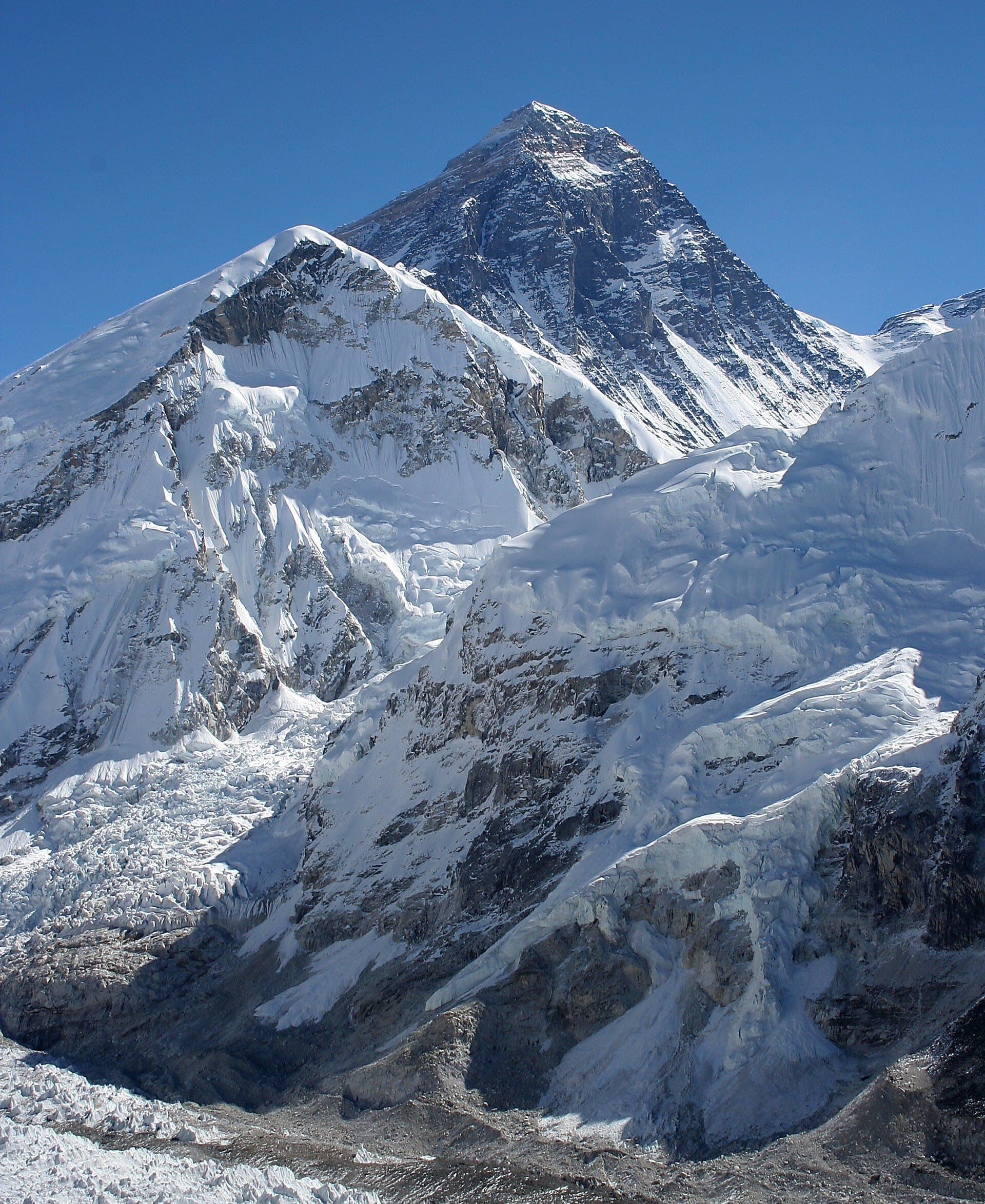
Everest Base Camp is the trek most people picture when they picture Nepal at all — the suspension bridges strung with prayer flags, the switchbacks above Namche Bazaar, the moment the summit pyramid of Everest itself finally clears the ridgeline. It's also one of the most misunderstood treks on the planet, largely because 'base camp' sounds like a mountaineering feat when really it's a demanding but entirely achievable trek for anyone with reasonable fitness, a sensible itinerary, and the patience to acclimatize properly. Here's what the trek actually involves: how long it takes, what it costs, how hard the days really are, and what the route looks like from Lukla to Kala Patthar and back.
Almost every Everest Base Camp itinerary starts with a short, dramatic flight from Kathmandu to Lukla's Tenzing-Hillary Airport, one of the more famous short-runway airstrips in the world, perched on a mountainside at 2,860m. Weather can delay or cancel these flights, especially in the shoulder seasons, so any well-built itinerary includes a buffer day or two at either end of the trip to absorb a delay without threatening your international flight home. From Lukla, the trail drops into the Dudh Koshi valley and begins the gradual climb toward Namche Bazaar, the unofficial capital of the Khumbu and the last real 'town' you'll see until you're back down again.
Itinerary: Lukla to Base Camp
We run our own Everest Base Camp trip as a 16-day itinerary, which gives the route enough breathing room to acclimatize properly without feeling rushed. The first days cover Lukla to Namche, where an acclimatization day is standard — you'll do a hike up to the Everest View Hotel or Khumjung rather than resting completely, since gaining altitude during the day and sleeping lower is one of the more effective ways to acclimatize. From Namche, the trail continues through Tengboche, home to the Khumbu's most significant monastery, then Dingboche, where a second acclimatization day is built in, before pushing on to Lobuche and finally Gorak Shep, the last settlement before base camp itself.
From Gorak Shep, most itineraries do base camp and Kala Patthar as two separate pushes rather than one long day, since both are worth doing without rushing. Everest Base Camp sits at 5,364m and, especially outside of spring climbing season, is a rockier and less dramatically scenic spot than people expect — you don't actually see the summit of Everest from base camp itself, since the peak is hidden behind the shoulder of Nuptse. That's why Kala Patthar, a further climb above Gorak Shep to around 5,545m, is usually considered the real highlight: it's the best accessible viewpoint of Everest's summit pyramid on the entire route, typically climbed before dawn for a sunrise view.
How Hard Is the Trek?
In terms of physical difficulty, Everest Base Camp doesn't require any technical climbing skill, ropes, or prior mountaineering experience — it's walking, on established trail, the entire way. What makes it demanding is the combination of daily walking hours (five to seven hours most days, occasionally more), a lot of uneven stone steps and steady altitude gain, and the effect that thinning air has on effort that would otherwise feel easy. Trekkers who train beforehand with regular hill walking, stairs, and some cardio conditioning consistently have a better time on the trail than those who rely on general gym fitness alone.
Altitude, not physical fitness, is the biggest factor in how any individual trekker experiences this route, and it's not predictable by age or fitness level. Our itinerary builds in acclimatization days at Namche and Dingboche specifically because they sit at the points where trekkers most commonly start to notice symptoms, and skipping or shortening these days is the single most common reason people struggle on this trek. Our guides check in daily, sometimes with a pulse oximeter, and will adjust pace or add a rest day if someone's showing early signs of Acute Mountain Sickness rather than sticking rigidly to the printed itinerary.
Cost Breakdown
Cost is one of the harder things to pin down precisely because it depends on group size, season, and exactly what's included, but the major line items are consistent: your guide (and porter, if you choose one, which we'd recommend), the Sagarmatha National Park entry permit, the local rural municipality entry fee that applies in the Khumbu, the Lukla flight, and teahouse accommodation and food along the trail. Prices for food and rooms climb noticeably the higher you go, since everything above Namche has to be carried or flown in. Rather than quote a figure that's likely to be out of date by the time you read this, we'd always recommend getting an itemized quote from your operator so you know exactly what's covered.
Best Season
Autumn and spring remain the two best windows for this trek, for the same reason they're the best windows almost everywhere in Nepal: stable weather and the clearest views of the surrounding 8,000m peaks. Winter is possible and noticeably quieter, but expect genuinely cold nights above Dingboche and a higher chance of snow closing sections of trail temporarily. Monsoon season, from June through August, is best avoided here specifically — low cloud regularly obscures the views that are most of the reason people come.
The Gokyo Lakes Alternative
If you've done research on this trek before, you've likely come across the Everest and Gokyo Lakes route, and it's worth knowing it exists as an alternative rather than an add-on. It follows a different, quieter valley up to the turquoise Gokyo Lakes and crosses the Cho La pass to rejoin the standard route near Lobuche, adding several days and a genuinely spectacular high pass in exchange for a longer, slightly more demanding itinerary. It's a strong option for trekkers who've done a Himalayan trek before and want more solitude and variety than the standard out-and-back route offers.
Guide Requirement
Since April 2023, a licensed guide has been mandatory for all foreign trekkers in Nepal's mountain regions and national parks, Everest Base Camp included, regardless of experience level or whether you're trekking solo or in a group. Beyond the legal requirement, a good guide is genuinely one of the biggest factors in how safely and smoothly this trek goes — from managing altitude symptoms to navigating occasional Lukla flight disruptions to simply knowing which teahouses have a spare room during a busy week in October.
What to Pack
Packing for Everest Base Camp comes down to layering for a wide temperature range rather than a huge kit list — expect warm days in the lower valleys and well-below-freezing nights above Dingboche, sometimes within the same week. A proper down jacket, a good sleeping bag rated for the season, broken-in boots, and a reliable water purification method are the items our guides flag most often as the difference between a comfortable trip and a miserable one, and we send every client a full list tailored to their specific departure month.
Connectivity and comforts along the trail are better than most first-timers expect, though they come at a rising price the higher you climb. Wifi and charging are available at most teahouses up to around Dingboche, usually for a small hourly or per-device fee, and hot showers (sometimes bucket showers at the higher lodges) are widely available too, if not always heated to the temperature you'd like. Above Lobuche, expect facilities to get noticeably more basic — this is normal, and part of why we brief every client on what changes above each major stop, rather than letting it come as a surprise on day nine.
Tipping
Tipping is worth planning for as a real line item, not an afterthought at the end of the trek. It's standard practice to tip both your guide and porter at the end of the trip, and most agencies, including us, will give you a suggested range based on group size and trek length so you're not guessing or under-tipping a crew who've spent two weeks helping you get up and down safely. Bringing this cash in Nepali rupees, sorted out before you leave Kathmandu, saves a scramble on the last night in Lukla.
If you want to train specifically for this trek rather than just 'getting fitter' in general, prioritize time on your feet over pure gym cardio. A simple, realistic plan in the two to three months before departure looks like: two or three hill walks or stair sessions a week building up to 60-90 minutes with a loaded daypack, one longer weekend walk of three to four hours on varied terrain, and general strength work for your legs and core. The goal isn't peak fitness on a single test day — it's the ability to comfortably repeat five to seven hours of walking, day after day, for two straight weeks.
Is EBC Right for You?
Is Everest Base Camp the right first trek? For most reasonably fit, well-prepared trekkers, yes — it doesn't demand technical skill, the infrastructure along the route is genuinely good, and a well-paced itinerary with proper acclimatization days makes the altitude manageable for the vast majority of people who attempt it. If you've never trekked above 3,000m before and want a lower-commitment test run first, a shorter trek like Poon Hill is a sensible way to get a feel for teahouse life and altitude before committing two weeks to the Khumbu. Either way, the trail to Everest Base Camp remains one of the most rewarding two weeks of walking anywhere in the world, and we'd be glad to help you plan the version of it that fits your timeframe and experience.